













RECENT STORIES

13 Beliefs Older Generations Now Embrace Thanks to Life’s Lessons
They say with age comes wisdom and that hindsight is 20/20. If you knew then what you know now, well, things might have been easier. The olden days were a lot different from modern life. And with time—much like your diet or hairstyle—sometimes your beliefs change. 1. Fat-Free…

15 Ways Work Can Impact Your Physical and Mental Wellbeing
Work culture can be toxic. Even if everyone is doing it, working eight hours every day is not easy. Companies try to wring you…

Outdoor Adventures: 15 Health Benefits of Getting Back to Nature
Many of us struggle during the long winter months. We want to get outside and enjoy fresh air, but the cold and fewer hours…

The Best David Tennant Roles
There’s just something about David Tennant that makes you sit up and take notice when he’s on the screen. It doesn’t matter if he’s…

The Best Martin Scorsese Movies
Martin Scorsese has had one of the most illustrious careers in Hollywood. From his start making studio pictures to his pivot into imaginative biopics,…
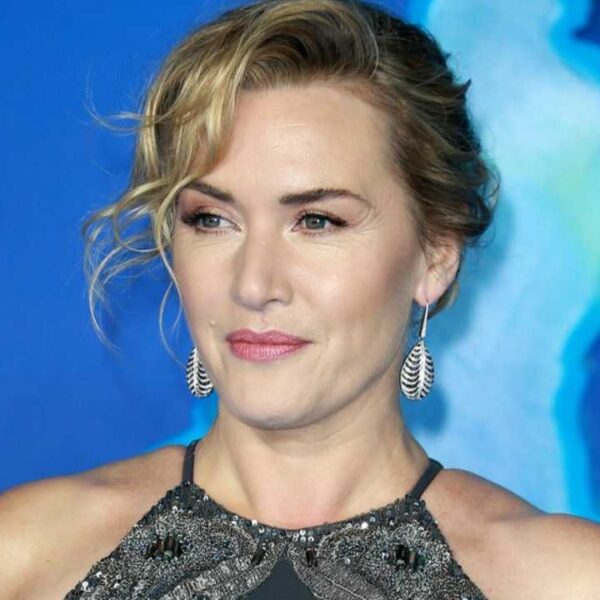
15 British Actors That Can Play Americans Well
When I first moved to America, my accent stood out a lot, drawing admiration from many. Nobody told me I would have to fight…

Transform Your Morning Routine: 15 Habits for a Healthier Day
A great day starts with an effective morning routine, which prepares us for the challenges ahead. If you start sluggish, you are more likely…

The Truth Behind 15 Popular Superfoods: Do They Live up to the Hype?
We all want to be healthy and eat nutritious foods, and the media leads us to believe that superfoods significantly improve our health. Marketing…